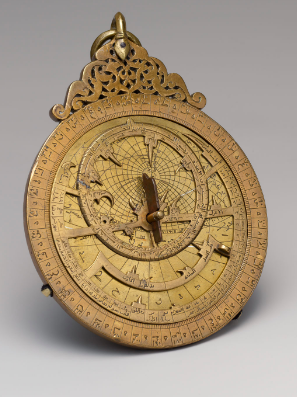
Muslims were influential in a variety of fields of science, ranging from chemistry, biology, physics, psychology, to even medicine. The Muslim civilization between 800-1600 was home to doctors who studied the human body and its intricacy in order to find new cures for disease, brilliant astronomers who discovered stars and introduced the possibility of space travel, physicists who studied the laws of gravity, and chemists who were discovering groundbreaking experimental methods (Al-Hassani, 15). One experimental method in chemistry, known as distillation, is very important in the synthesis of products such as plastics, gasoline, oils, and other important materials, and was first perfected by a Muslim (Al-Hassani, 14). Other Muslim figures continued to make discoveries that made the understanding of certain phenomena in biology, physics, chemistry, and medicine possible.
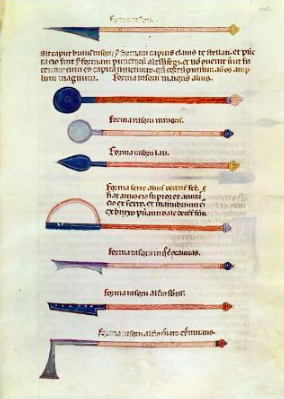
Each and every day, intelligent scholars and scientists around the world and especially in the West are working to solve some of the most mysterious phenomena of mankind. Many of the discoveries scientists are working toward today are only possible because of the staple Muslim inventions. In the world of medicine around the year 1000, a Muslim doctor, Al-Zahrawi, published a 1500 page encyclopedia that contained illustrations of surgery and was used in Europe for the next 500 years. Al-Zahrawi also was said to have discovered the use of dissolved cat gut to stitch wounds and was also said to perform the first cesarean section surgery (CNN). Known as “The Father of Modern Surgery”, Al-Zahrawi also invented the first pair of forceps, a crucial instrument used in surgeries even today, to remove a bladder stone during an operation (Elgohary, 85). In Iraq, Jabir ibn Hayyan was busy laying the foundations for chemical principles, about 900 years before Robert Boyle, the so-called Irish “Pioneer of Modern Chemistry”, was revealing many of the building blocks of chemistry to the rest of the world (Science History Institute). Ibn-Sina was a wise Muslim man, who in his The Book of Healing, discussed how clouds form, the source of water, how mountains come to be, and the possible cause of earthquakes (Al-Hassani, 170). Many of the books Ibn-Sina published on the topic of medicine, physics, philosophy, and even geology became prized sources of study in Europe and the knowledge was spread (Khalil Center).

 Muslim Influence in Modern Western Science